
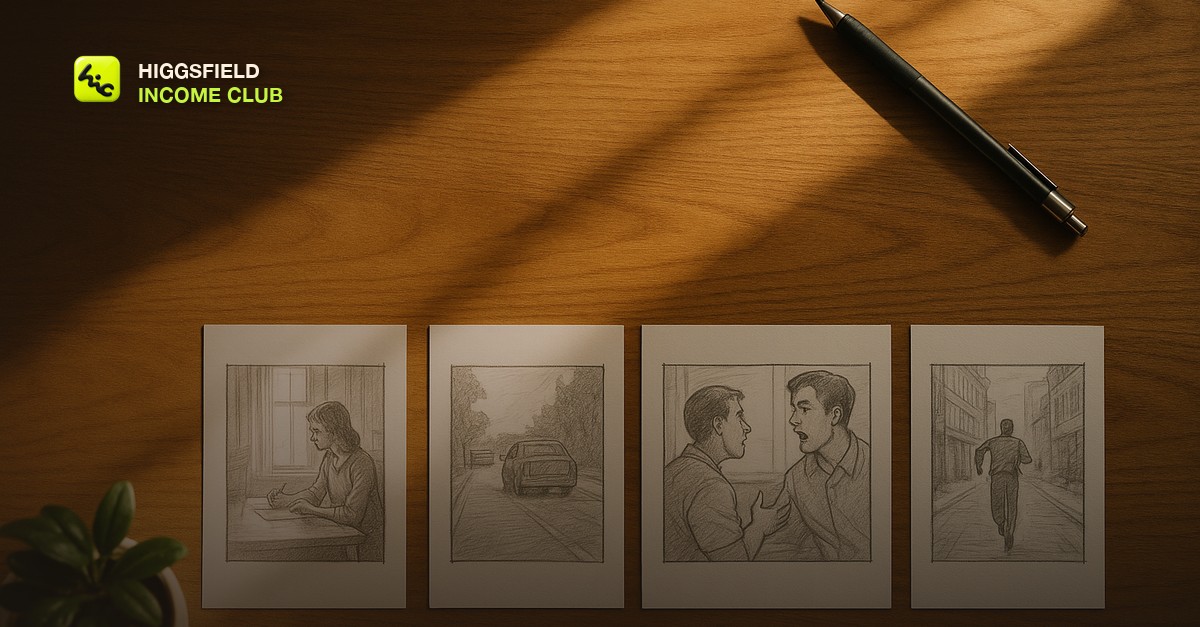
The Core Idea: Series Beats Single Clips on Retention
A single AI video that lands well is a traffic event. A recognizable character in a consistent world is a subscription reason. The difference in practice is that when someone watches episode three of a series and the character looks and sounds like they did in episodes one and two, they have a reason to follow the account. When they watch a great one-off video, the follow is optional. Retention and subscriber growth come from series, not from finding viral moments over and over.
This is not a new insight from content strategy - it is the model every long-running YouTube channel, podcast, and newsletter runs on. AI video makes it achievable for a solo creator at a production cost that would have required a team three years ago. The constraint is not budget anymore. It is planning the character and world thoroughly enough before the first clip that the series stays consistent as it grows.
Step 1 - Lock the Character Reference Before Generating Anything
The single most expensive mistake in a recurring-character series is starting to generate clips before the character reference is finalized. Once you have eight published episodes with a character whose face drifts slightly between them, you cannot retroactively tighten it without reshooting. Lock the reference first.
For a Higgsfield series, this means generating several variations of the character in neutral conditions - flat lighting, facing the camera, no specific action - and choosing the one output that reads most clearly as the definitive version. Then create a [Soul ID](/blog/higgsfield-soul-id-explained) from that reference. Every episode generation should use that Soul ID as the anchor. The prompts can vary widely across episodes; the Soul ID keeps the face and presence stable.
Step 2 - Define the World the Character Lives In
A recurring character in a different-looking world each episode is a character problem that looks like a production problem. If the location, lighting style, and time of day shift dramatically between episodes, the character will read as inconsistent even if the Soul ID is holding. The world is part of the character.
Write a world brief alongside the character brief: three to five sentences that describe the default environment. What city or type of space? Indoor or outdoor? What time of day and light quality? What is in the background? This brief becomes the opening section of every episode prompt. You can vary the specific scene within the world - episode four might be in the kitchen, episode seven on the rooftop - but both should read as rooms in the same universe.
Character vs world brief - what each one locks
| Brief | What it fixes | Changes allowed |
|---|---|---|
| Character brief | Face, build, default outfit, specific visual signature | Outfit variations within a consistent palette, different expressions |
| World brief | Location type, lighting quality, time of day, background elements | Specific sub-locations within the same world, seasonal surface details |
Step 3 - Build a Repeatable Episode Structure
A series without a repeatable structure is a playlist. A repeatable structure is what makes a viewer's second episode feel like familiar territory, which is the feeling that drives follows and series completion. The structure does not have to be elaborate - three to four recurring beats is enough.
- Opening beat: the character appears in the signature world, usually doing one consistent action that resets the episode - entering a space, looking at something specific, or beginning a familiar gesture
- Tension or change beat: something is different this episode - a new situation, a challenge, an unexpected object in the world
- Resolution or reveal beat: the character responds to the change in a way that is consistent with who they are - not necessarily happy, but recognizable
- Closing beat: a visual or motion callback to the opening that signals the episode is done - the same camera pull, the same held expression, the same final frame composition
That four-beat structure produces a clip that feels complete rather than arbitrary. Viewers who have seen two or three episodes will start anticipating the closing beat, which is exactly the engagement pattern that drives algorithm performance on short-form platforms.
How to Batch-Produce Episodes Without Losing Consistency
Batching is how a solo creator sustains a series. Generating one episode at a time, when you feel like it, is how a series gets to episode six and quietly dies. Plan ten episodes before you generate any of them. Write all ten prompts using the character brief, world brief, and episode structure. Then generate them in one production session so the Soul ID reference stays fresh and the settings are identical across the batch.
A batch of ten episodes at two per week is five weeks of content from one production session. That is the real economics of a Higgsfield series: the planning work is front-loaded, the generation is concentrated, and the publishing is spread across weeks. More on the general approach is at [/blog/how-to-batch-create-ai-videos-for-social-media](/blog/how-to-batch-create-ai-videos-for-social-media). For content cadence planning, the [AI video content calendar](/blog/ai-video-content-calendar) post covers the scheduling layer.
Turning a Series Into an Income Stream
A series with a recognizable character has income potential that individual clips do not. Platform monetization rewards watch time and return visits, both of which a series generates better than one-offs. Beyond platform revenue, a character-based series is also easier to pitch as a branded content package to a business client - you are selling a repeatable format and a built audience, not just a one-time video. The [Higgsfield AI influencer post](/blog/how-to-build-an-ai-influencer-with-higgsfield) covers the influencer monetization side in more depth. The [monthly retainer model](/blog/how-to-sell-ai-video-as-a-monthly-retainer) is the client-work structure that fits this format best.
Short, practical drops on income paths, prompts that work, packaging for views, and getting paid. No spam, unsubscribe anytime.
Frequently asked questions
What is the minimum setup needed before starting a Higgsfield content series?
At minimum: a finalized character reference used to create a Soul ID, a one-paragraph world brief describing the default environment, and a repeatable episode structure of three to four beats. Without those three elements locked, each episode becomes a new production problem rather than a familiar one.
How does Higgsfield Soul ID help with character consistency in a series?
Soul ID anchors the character's face and presence across separate generations so the same character appears recognizable from episode to episode, even when the scene, action, or other prompt elements change. More detail on how it works is at [/blog/higgsfield-soul-id-explained](/blog/higgsfield-soul-id-explained).
How many episodes should I plan before starting to generate?
Plan at least ten before generating any of them. Planning all ten first lets you batch-generate in one session with identical settings, which keeps character and world consistency tighter than generating episode by episode over weeks.
Can I change the character's outfit or location between episodes?
Yes, within limits. Outfit variations work if they stay within a consistent palette and silhouette tied to the character brief. Location can vary within the same world brief - different rooms in the same city, different times of day in the same setting. Large swings in either tend to make the character look inconsistent even when the Soul ID is holding.
Is a recurring-character series harder to monetize than individual viral clips?
It is a different kind of monetization. Individual viral clips generate one-time traffic. A series generates subscriber growth and return visits, which compounds over time on most platforms and produces better long-term platform revenue. A series is also more pitchable to brand clients because you are selling a format with an audience, not just a one-time deliverable.
Last reviewed by David on September 7, 2026